Halloween is a really fun holiday celebrated by a lot of people. But it’s more than just costumes, candy, pumpkin carving, and spooky decorations. Halloween has a history that is different from how we celebrate it today. While it’s mostly seen as a night for fun and a little scare, it originally had a deeper meaning beyond costumes and candy.
Halloween always falls on October 31, which is the eve of All Saints’ Day, also called All Hallows’ Day, observed on November 1. That’s why it was first called All Hallows’ Eve, which later got shortened to Halloween.
Before Christianity, this time of year was important to people like the ancient Celts, who lived in what is now Ireland and parts of Europe. They celebrated a festival called Samhain, which marked the end of the harvest season and the start of winter.
The Celts believed that on October 31, the boundary between the living and the dead was at its thinnest. Ghosts, spirits, and other supernatural things were thought to be on Earth that night. To protect themselves, people lit fires and wore scary costumes to scare the spirits away.
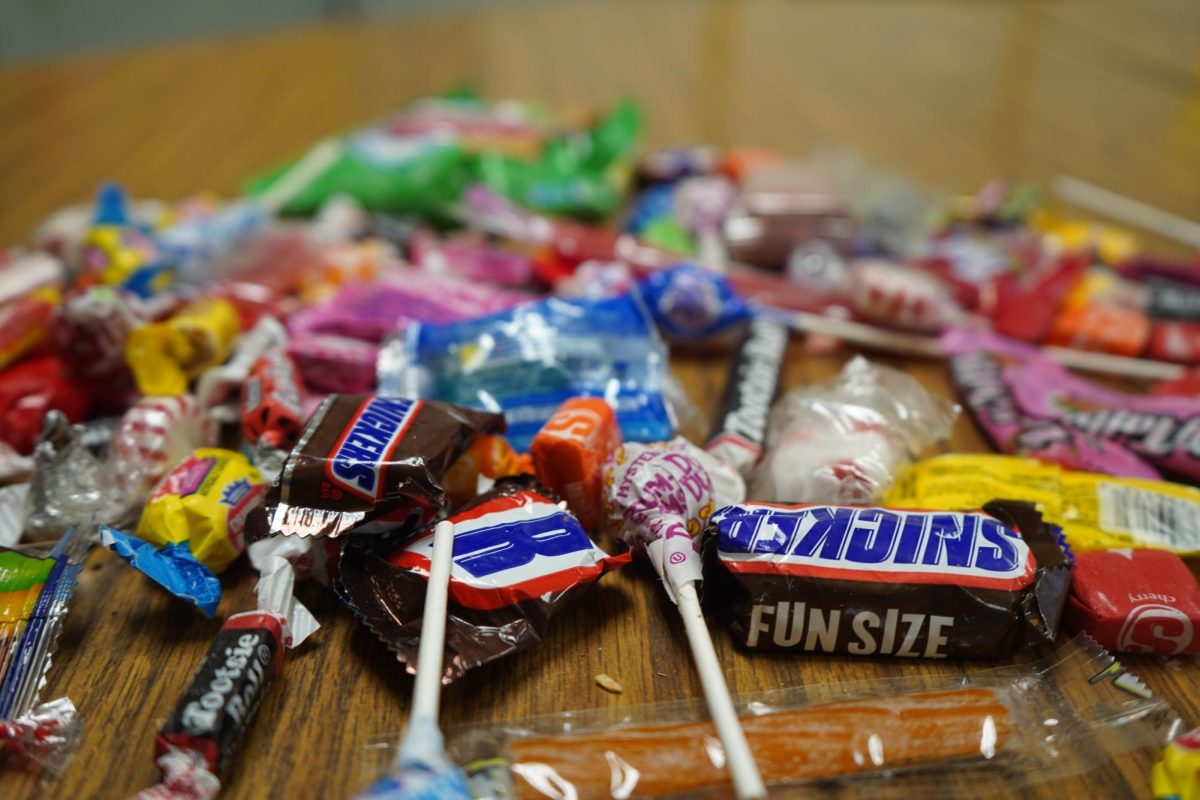
Irish and Scottish immigrants brought Halloween to the United States in the 19th century. Over time, it became more of a community holiday. The spooky parts stayed, but in a more playful way. Trick-or-treating also became popular during the 1920s and 1930s.
Today, Halloween is all about dressing up, having fun, decorating, going trick-or-treating, and watching scary movies. But when you look at its history, Halloween is really about facing fears, honoring the past, celebrating imagination, and enjoying community.
In the end, what we do today still connects to what people did long ago. Even though the holiday has changed, it’s still a night to embrace differences, have a little scare and fun, and celebrate creativity and imagination.